
Bespoke furniture in hospitality design: shaping space and guest experience
In restaurants and hotels, furniture is never completely separate from architecture.
A table, banquette, reception desk, bar or integrated piece of joinery influences the way people move through a space, the number of guests it can comfortably accommodate and the atmosphere they experience once they arrive.
For Studio Louis Morgan, bespoke furniture is therefore not simply a decorative layer. When a project requires it, furniture and built-in elements are developed as part of the architecture itself.
Responding precisely to the space
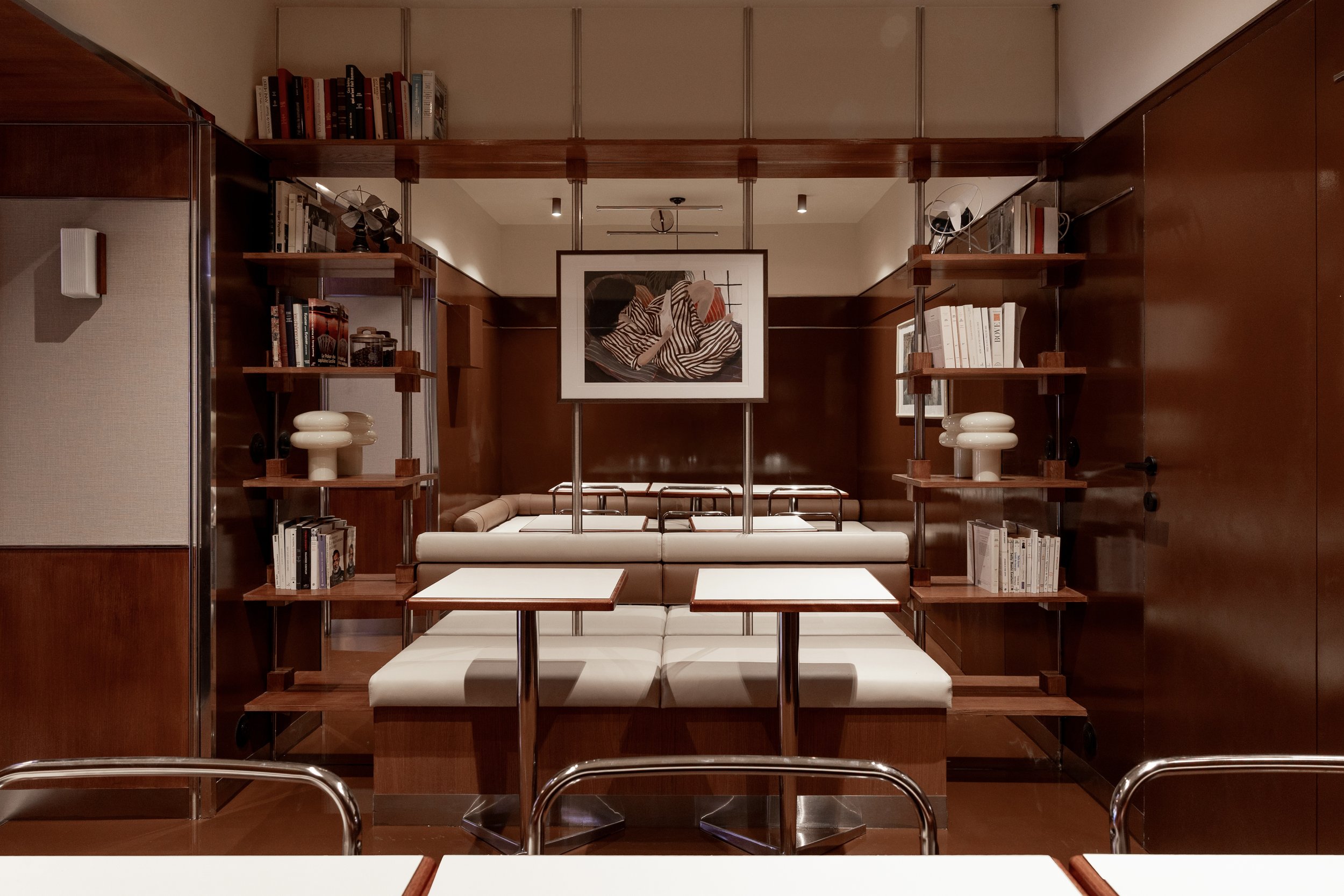
Hospitality projects often occupy existing buildings with their own constraints: irregular walls, structural columns, limited widths or circulation routes that cannot easily be changed.
Standard furniture may leave these constraints unresolved. A bespoke element can instead respond precisely to the dimensions of the site.
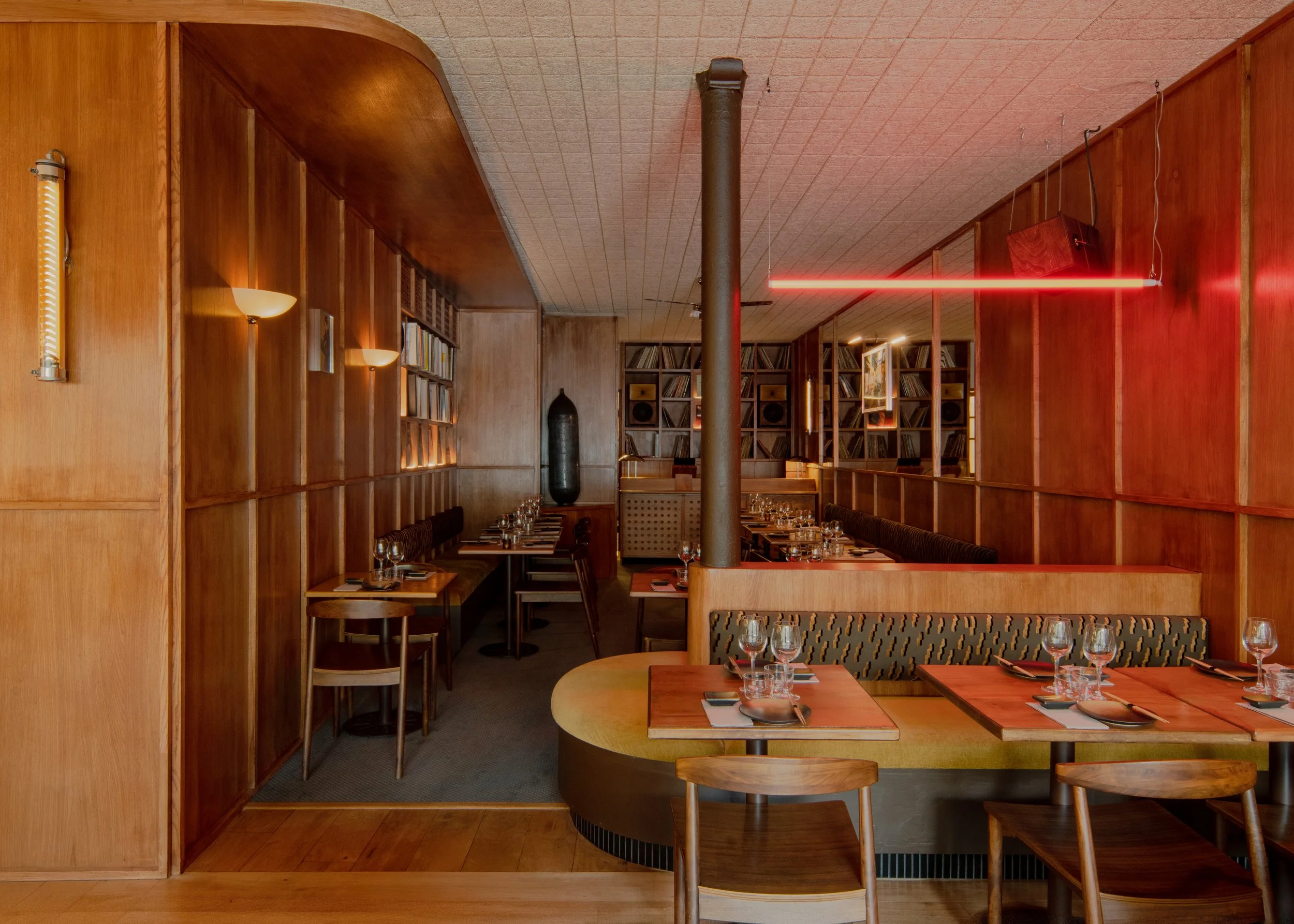
A banquette can follow an existing wall while preserving circulation. A bar can integrate service functions without visually dominating the room. Storage can become part of the architecture rather than additional furniture placed into it.
This precision is particularly valuable in compact restaurants and boutique hotels, where every square metre participates in the guest experience.
Furniture and circulation
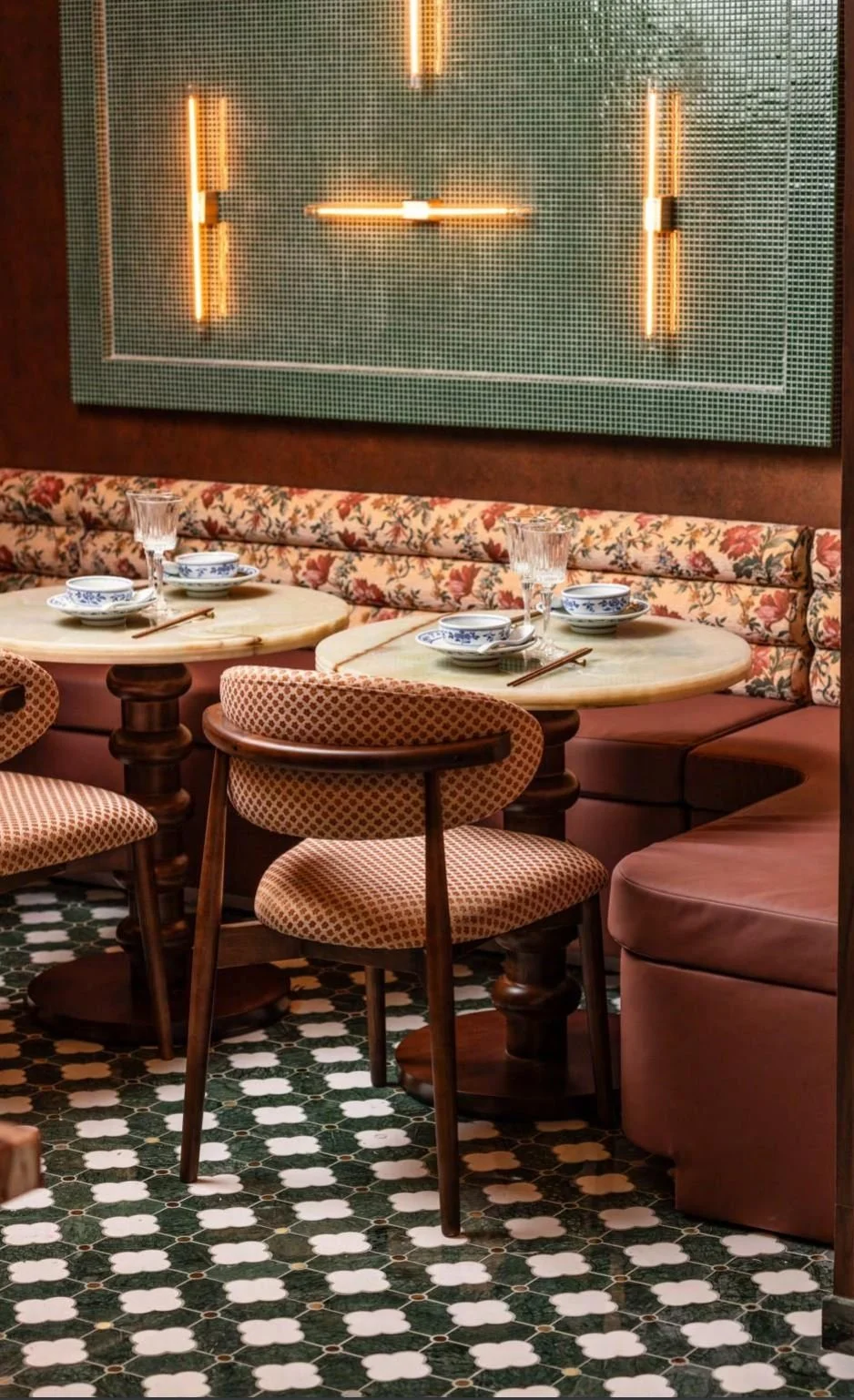
The position and dimensions of furniture directly influence movement.
In a restaurant, guests, waiting staff and service flows continuously cross the same environment. In a hotel, furniture can help define arrival, waiting, transition and private zones.
Bespoke pieces make it possible to design these relationships intentionally. Their proportions can preserve sightlines, protect comfortable distances between tables and create intuitive routes without relying excessively on signage or barriers.
Good furniture design therefore supports both atmosphere and operational efficiency.
Creating identity without adding decoration
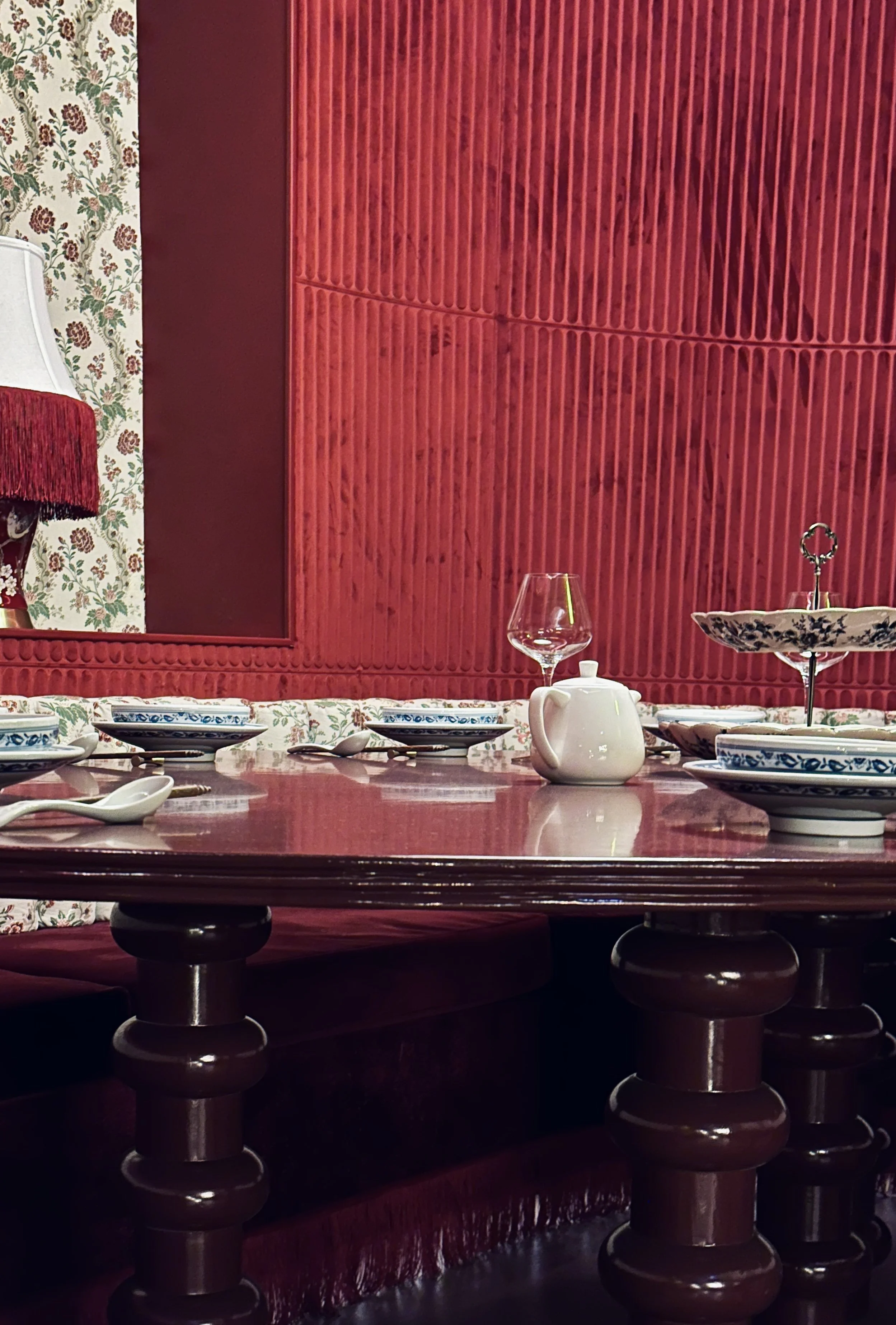
Custom furniture can also carry the identity of a hospitality project.
Rather than adding decorative objects after the architecture is complete, materials, details and proportions can be expressed through elements that already have a function.
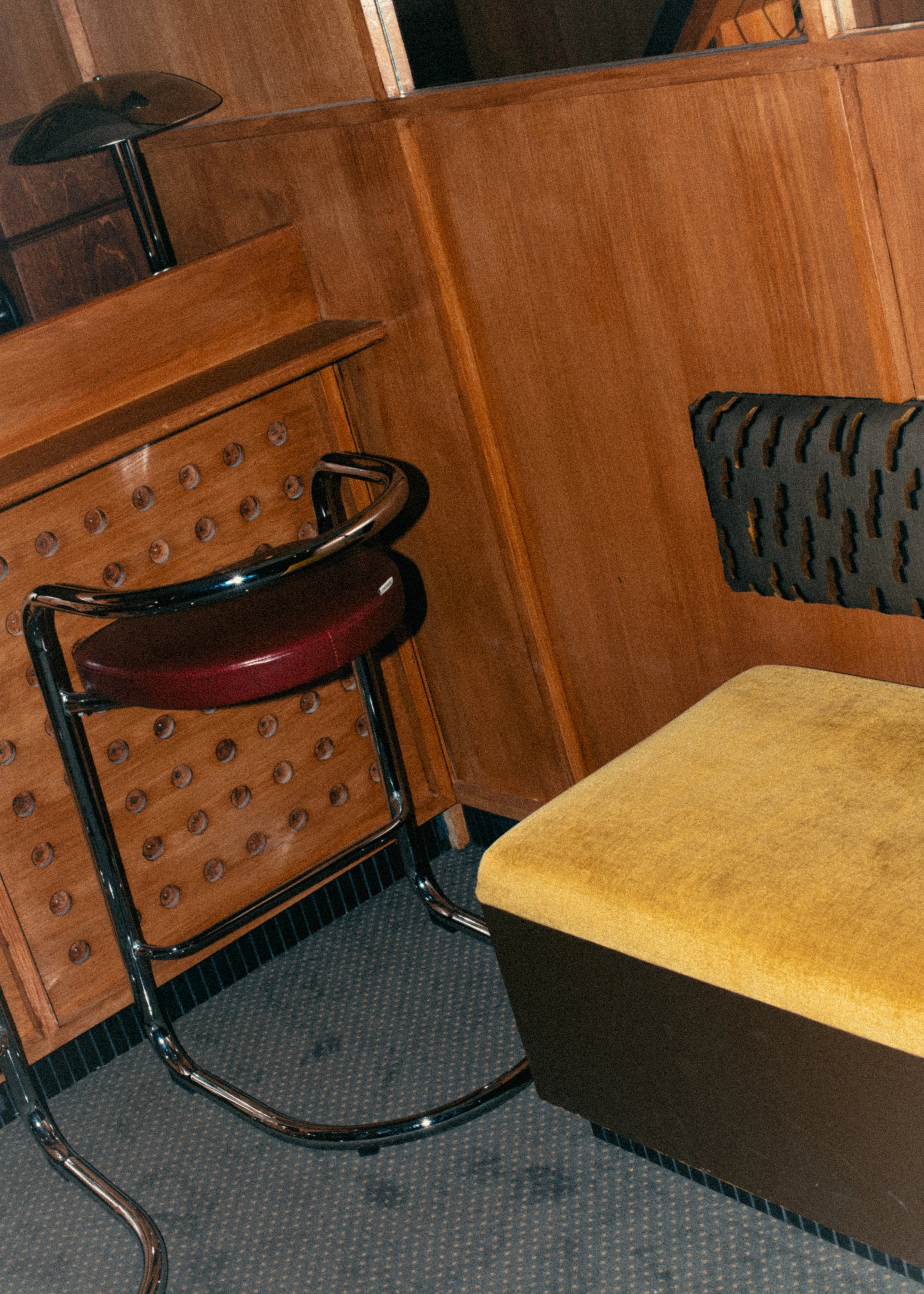
At Café DOM in Paris, Studio Louis Morgan developed a rigorously constructed interior in which bespoke elements contribute to a dialogue between 1930s New York and 1960s Milan. Polished chrome, mahogany, linen, mirrors and brushed stainless steel form part of the architecture rather than acting as isolated decoration.
At SOBO, bespoke oak joinery contributes to a very different atmosphere. The furniture, lighting and acoustic treatment participate in the same spatial narrative, supporting the restaurant’s combination of dining and high-fidelity listening.
Durability matters in hospitality
Furniture in restaurants and hotels is intensively used.
Dimensions, materials, finishes, cleaning requirements, repairability and ageing therefore matter as much as appearance. A successful bespoke element needs to retain its quality after repeated daily use.
This makes material selection particularly important. The objective is not only to create an attractive object at opening, but to design something capable of becoming part of the long-term identity of the place.
From furniture to guest experience
Guests do not necessarily notice that a piece of furniture was designed specifically for a project.
They notice something more important: whether the space feels comfortable, coherent and intuitive.
The height of a seat, the relationship between a table and a banquette, the distance to the next guest, the position of a reception desk or the way a bar structures the room all affect the perception of hospitality.
Bespoke furniture works best when it feels inevitable — as though it could only belong to that particular place.
For Studio Louis Morgan, this relationship between architecture, furniture and experience is part of a broader approach to hospitality design. The objective is to create restaurants and hotels in which every element contributes to the identity and use of the space rather than existing as an isolated design gesture.
FAQ
Why use bespoke furniture in a restaurant or hotel?
Bespoke furniture can respond precisely to spatial constraints, improve circulation, integrate operational requirements and reinforce the identity of a hospitality project.
Can custom furniture improve restaurant capacity?
Yes. Carefully designed banquettes, tables and integrated elements can make more efficient use of available space while maintaining comfortable circulation and guest distances.
Is bespoke furniture only about aesthetics?
No. It can solve functional issues involving storage, service, circulation, ergonomics, durability and spatial organisation while also contributing to the visual identity of the project.
Does Studio Louis Morgan design bespoke furniture?
Yes. When a project requires it, Studio Louis Morgan develops furniture, joinery and custom elements as part of its wider interior architecture approach.