
Restaurant acoustics as architecture: designing SOBO, a listening restaurant in Paris
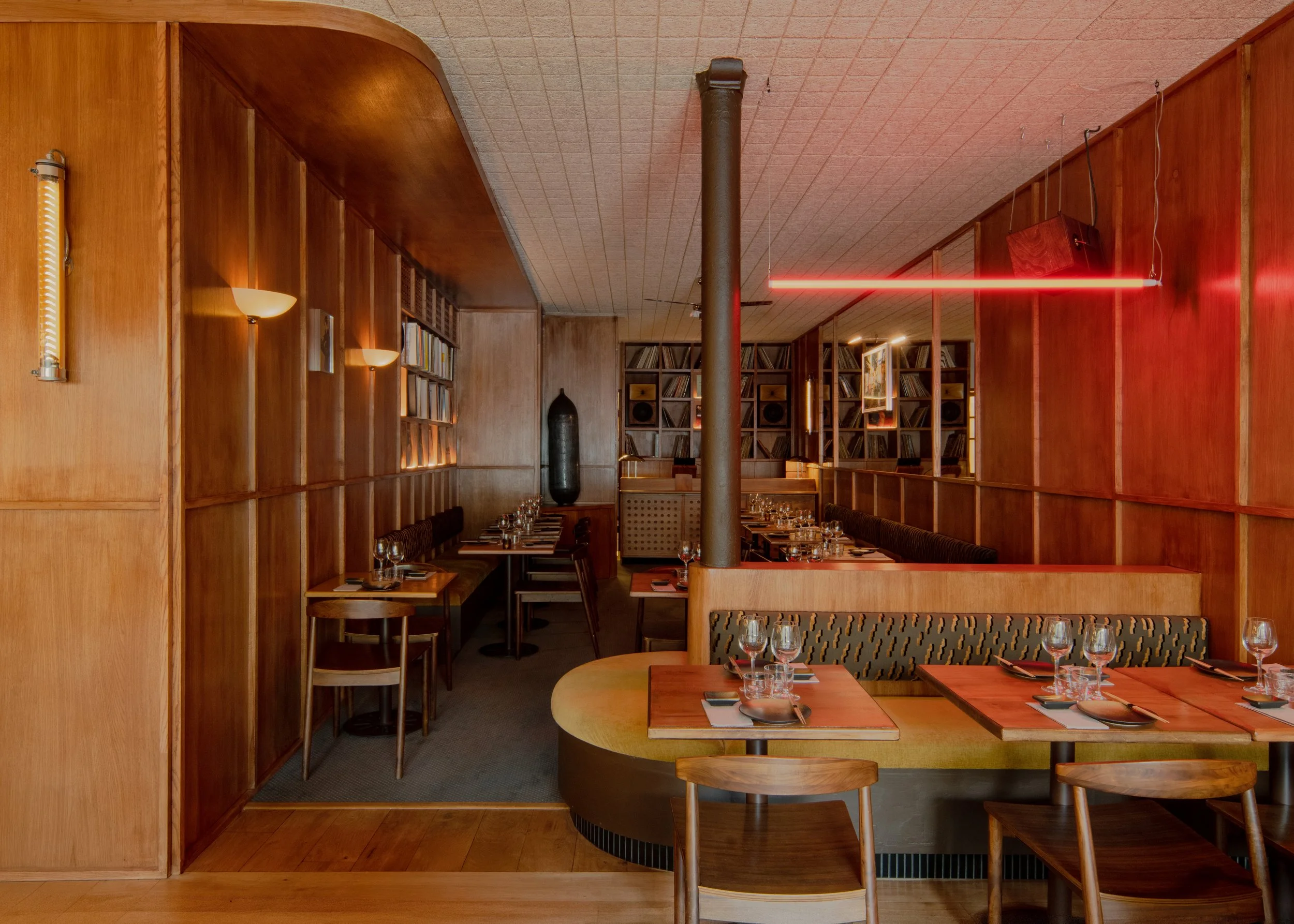
In restaurant interior design, sound is often treated as a technical correction applied after the space has been designed. At SOBO, a plant-based restaurant and listening space in Paris’s 17th arrondissement, Studio Louis Morgan approached acoustics as part of the architecture from the beginning.
The 80 sqm project brings together dining, high-fidelity listening and an intimate hospitality atmosphere. The objective was not to create a silent room, but to give music a real presence without allowing reverberation to dominate conversation.
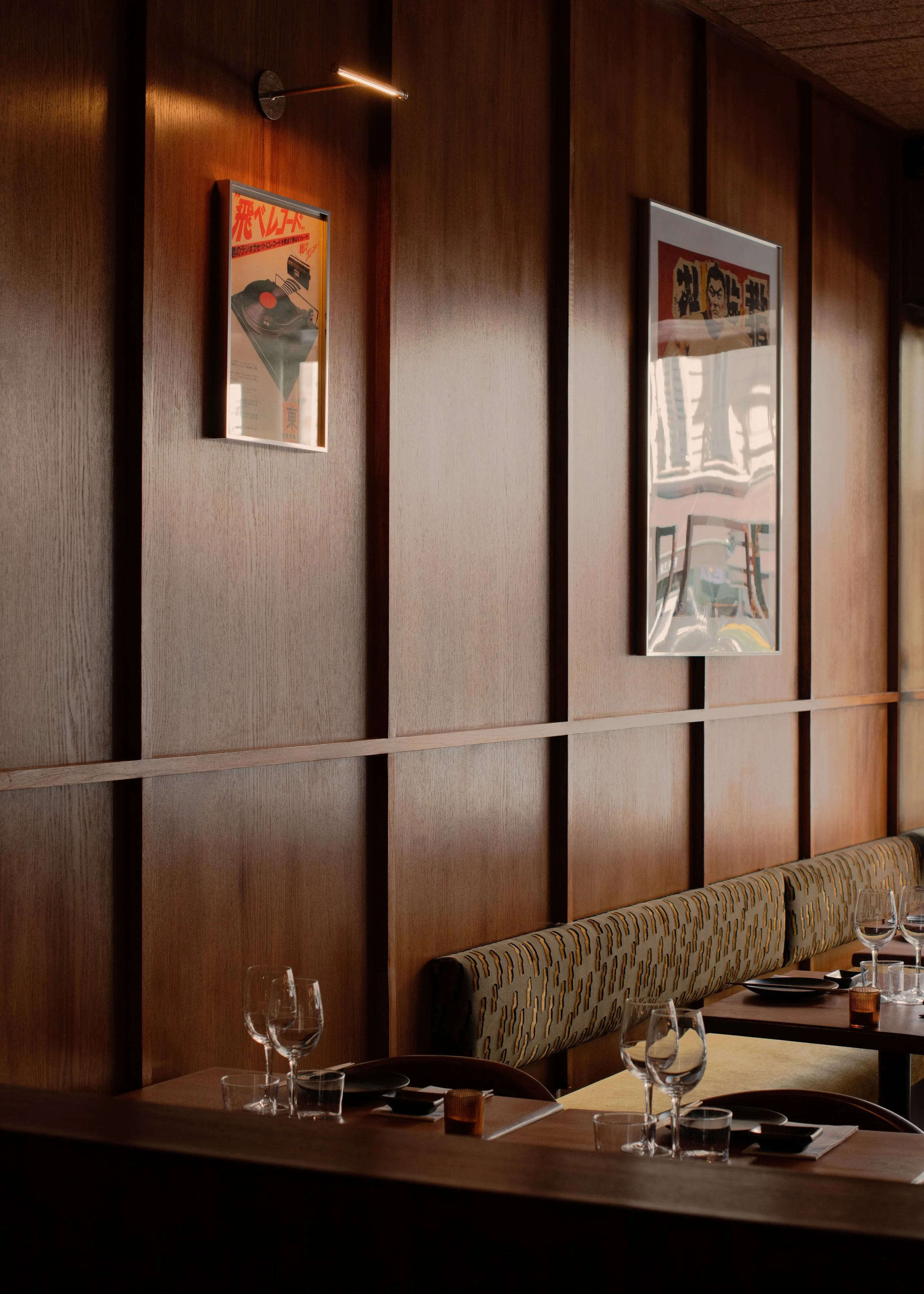
Designing sound into the room
A restaurant has competing acoustic needs. Speech must remain intelligible, music should feel immersive, and materials must withstand intensive hospitality use while still contributing to the identity of the interior.
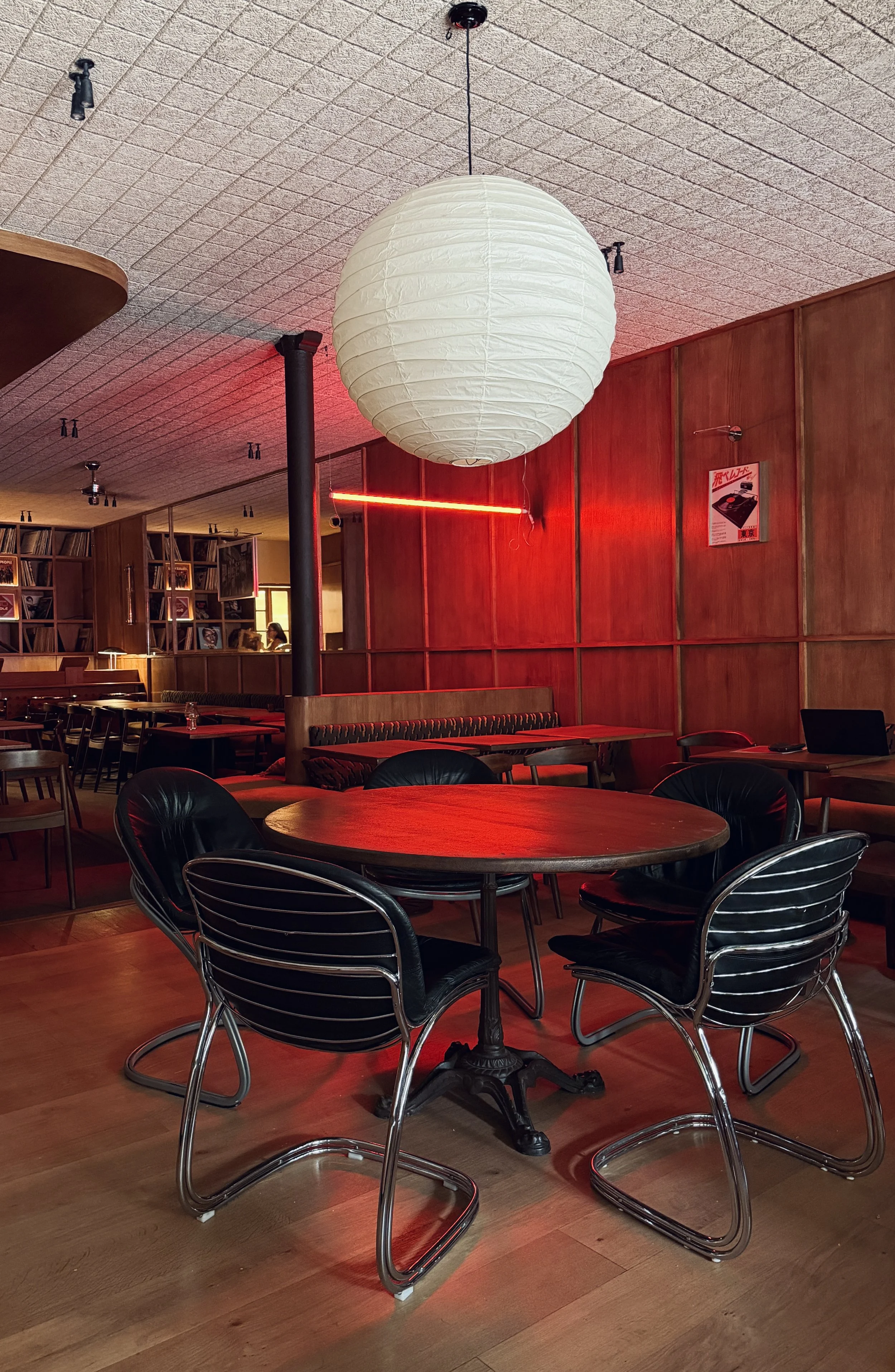
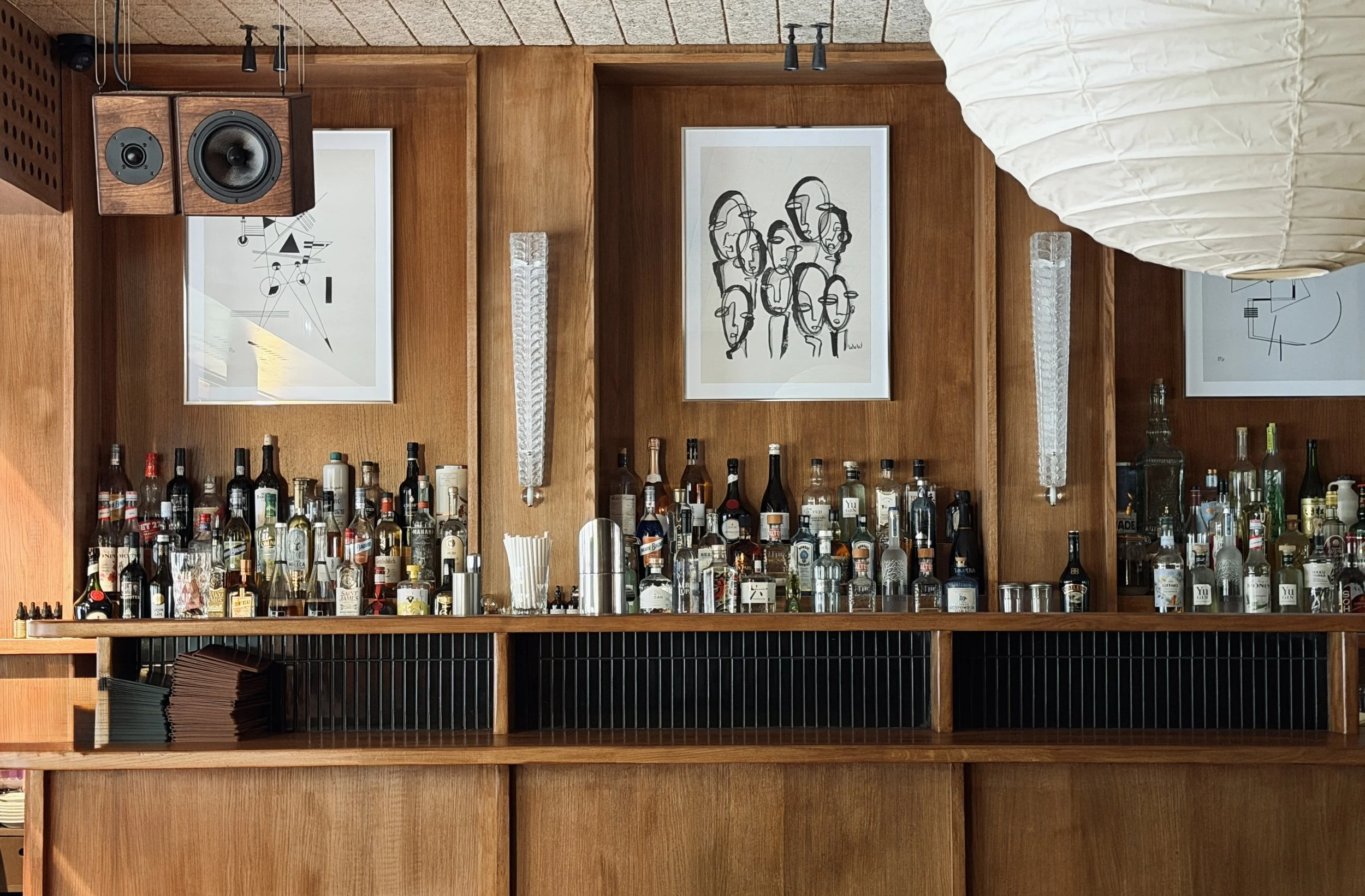
At SOBO, plant-fibre acoustic panels were integrated into the ceiling to control reverberation without appearing as a separate technical layer. A custom high-fidelity sound system by French maker Suave was coordinated with the spatial layout.
The result is a room where acoustic performance contributes to the character of the interior rather than interrupting it.
Materials, light and listening
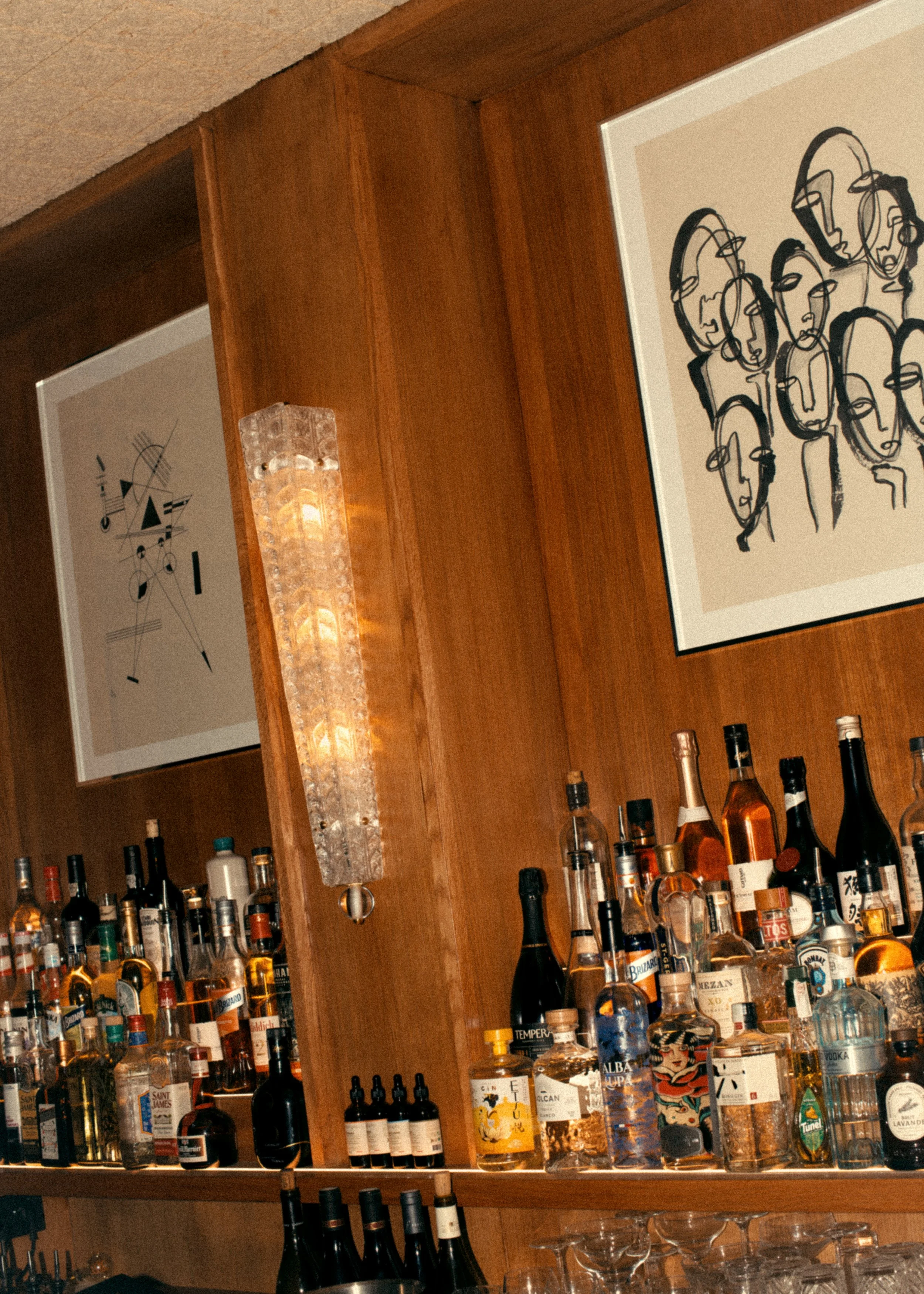
Warm mahogany-toned oak panelling creates a continuous visual envelope, while vintage furniture prevents the space from becoming overly formal. A paper pendant by Isamu Noguchi creates a soft focal point, complemented by Murano glass wall lights designed by Carlo Scarpa.
These elements were selected as part of a controlled atmosphere rather than as isolated decorative statements. In a listening restaurant, visual comfort matters alongside acoustic comfort: light levels, texture, scale and material reflectivity influence how guests experience the room and how long they want to stay.
Circulation and guest experience
SOBO is compact, so every zone has to support both operational efficiency and the slower rhythm of the guest experience. Dining areas, bar, DJ and listening zone, kitchen and terrace are organised so that service routes remain clear while guests perceive the restaurant as a coherent sequence of spaces.
This balance between flow and atmosphere is central to hospitality design. A restaurant can be visually memorable and still fail if circulation, comfort or acoustic conditions work against the way the space is actually used.
A Paris hospitality project shaped by sound
SOBO shows how restaurant interior architecture can integrate materiality, bespoke detailing, lighting and acoustics into a single design language. Rather than treating sound as equipment added to a finished interior, the project uses it as one of the elements that defines the identity of the place.
For Studio Louis Morgan, this forms part of a broader approach to hospitality design: the experience of a restaurant or hotel emerges from the relationship between architecture, furniture, light, materials, circulation and the way people inhabit the space.
FAQ
What should a restaurant interior designer consider about acoustics?
Acoustics should be considered early, alongside layout, materials and lighting. The objective is generally to control reverberation, protect conversational comfort and support the intended music level without making the room feel acoustically dead.
How can acoustic treatment be integrated discreetly into a restaurant?
Absorptive materials can be incorporated into ceilings, wall systems, upholstery and bespoke joinery so that acoustic performance belongs to the architecture instead of appearing as an additional technical treatment.
Who designed the SOBO restaurant interior in Paris?
Studio Louis Morgan, led by interior architect and designer Louis Aspar, designed the interior of SOBO in Paris’s 17th arrondissement, including its spatial identity, material palette and integration of the listening experience.
Does Studio Louis Morgan work on hospitality projects beyond restaurants?
Yes. The Paris-based studio works on restaurants, hotels, bars, cafés and other hospitality environments in France and internationally.